
• Skip to primary navigation
  • Skip to main content
  • Skip to footer
Great Lakes PACE of Saginaw Michigan. A Program of All-Inclusive Care for the Elderly

Great Lakes PACE

Live at home... with our help!

  • ABOUT
  • SERVICES
  • CAREGIVER RESOURCES
  • FAQ
  • UPDATES
  • JOIN OUR TEAM
Home » Updates

Updates

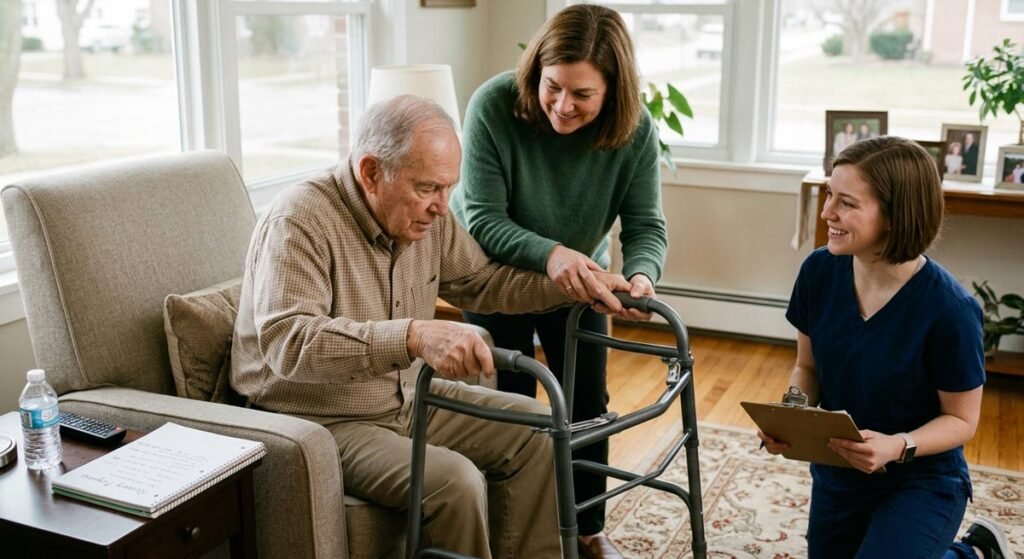
How Family Caregivers Can Support Recovery at Home

How family caregivers can support recovery at home during rehab

Recovery does not stop when a therapy session ends. A few habits can help your loved one keep moving forward. These tips are general, so follow the instructions from your loved one’s therapists and doctors.

  • Ask what to practice at home. Therapists can show you the exercises and techniques that fit.
  • Encourage routines. Short, regular activity is often easier to keep up than occasional long sessions.
  • Make the home safer. Clear walkways, add lighting, and use any recommended equipment.
  • Celebrate small steps. Progress can be slow and encouragement matters.
  • Watch for setbacks. Increased pain, new weakness, or sudden changes should be reported to the care team.
  • Look after yourself. Supporting a recovery can be tiring, so ask for help when you need it.

Do not push your loved one beyond what the therapists recommend, and never use equipment in a way you have not been shown.

Filed Under: Rehabilitation for Seniors

Healthy Eating Tips for Seniors and Their Caregivers

Healthy eating for seniors at Great Lakes PACE

Small changes can make a big difference. These tips are general, so check with your loved one’s doctor or a dietitian about their specific needs.

  • Make meals social. Eating with others often helps with appetite. Invite family or friends or look into group meals.
  • Offer smaller, more frequent meals. Several small meals or snacks may feel easier than three large ones.
  • Choose nutrient-rich foods. Colorful fruits and vegetables, whole grains, lean proteins, and dairy or fortified alternatives are good starting points.
  • Keep favorites on hand. Familiar foods are more likely to get eaten.
  • Stay hydrated. Many older adults do not feel thirsty even when they need fluids.
  • Make food easy to prepare. Pre-cut produce, simple frozen meals, and ready-to-eat options help when cooking is hard.
  • Think about texture. Softer foods may help with chewing or swallowing difficulties, as long as the care team agrees.

Looking for meal ideas for seniors who live alone? Simple options such as soup, eggs, yogurt with fruit, or a sandwich with a side of vegetables can be easy to prepare and easy to eat. If you are wondering how to encourage a senior to eat, try pleasant surroundings, enough time, and gentle company without pressure.

Filed Under: Nutrition for Seniors

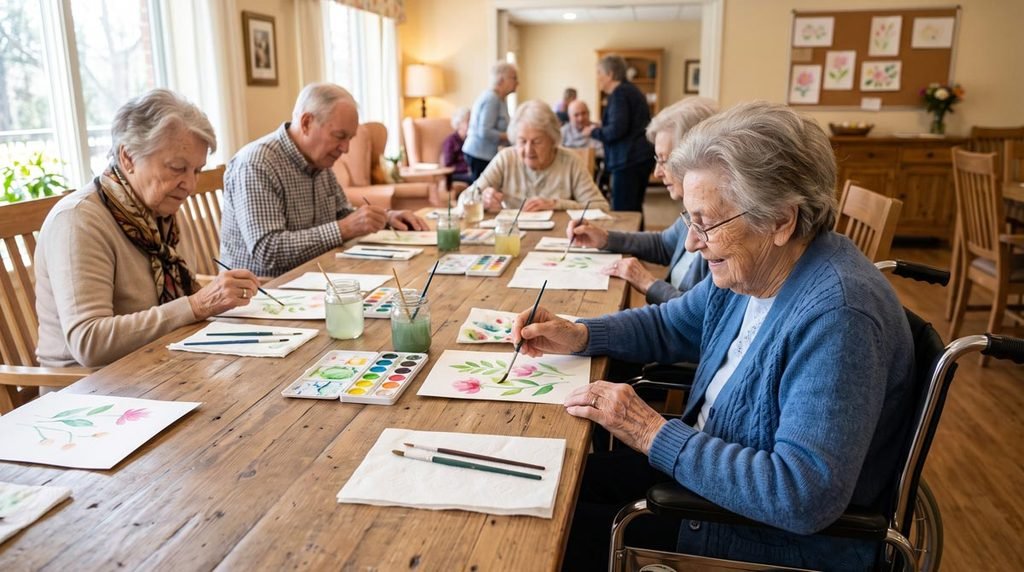
Benefits of Social Engagement for Seniors’ Health and Memory

Benefits of social engagement for seniors' health and memory

Research has linked regular social engagement in older adults to better mood, a stronger sense of well-being, and support for brain health. Staying active and connected can help seniors stay mentally engaged, keep up daily routines, and feel more confident.

For families asking about activities for seniors with dementia or memory loss, structured, familiar group settings can offer meaningful interaction at a comfortable pace. Every person is different, and our PACE care team works with participants and families to find what fits.

How Social Activities Support Family Caregivers

When your loved one has a place to go and people to see, you get something, too: time. Many family caregivers find that a regular day program gives them room to work, rest, run errands, or simply breathe. This kind of respite for family caregivers is not a luxury. It’s a way to keep caring for someone without burning out.

Knowing your parent is safe, engaged, and supported by a care team can ease the guilt and worry that often come with caregiving. And when your loved one is more socially active, your time together can be more about family and less about filling the long hours.

Filed Under: Social Activities for Seniors

Signs It May Be Time to Find a New Doctor for Your Parent

Signs it may be time to find a new doctor for your aging parent

It can be hard to know when a change is needed. If you are wondering how to find a doctor for an elderly parent, or whether the current one is the right fit, watch for these signs:

  • Appointments feel rushed, and questions go unanswered
  • Your parent’s medications are rarely reviewed or explained
  • Specialists and the primary doctor do not seem to share information
  • It is hard to reach the office with questions between visits
  • Getting to appointments has become a barrier to care
  • Your parent does not feel heard or comfortable
  • Health changes, such as new falls or confusion, are brushed off

Changing doctors is a big decision, and it is worth talking it through with your loved one first. A good fit means a doctor your parent trusts and who works with you, not around you.

Filed Under: Primary Physician for Seniors

How to Prepare for a Specialist Appointment With Your Loved One

How to prepare for a specialist appointment with your parent or loved one

A little preparation helps you get more out of every visit. Here is how to prepare for a specialist appointment with an elderly parent:

  • Write down the reason for the visit. Note the main symptoms or questions, and when they started.
  • Bring an up-to-date medication list. Include prescriptions, over-the-counter products, and supplements.
  • Gather records. Bring recent test results, imaging, and a list of other doctors involved.
  • Make a short list of questions. Put the most important ones first, in case time runs short.
  • Take notes, or bring someone who can. A second set of ears helps, especially for complex instructions.
  • Ask what happens next. Confirm follow-up steps, who to call with questions, and when to return.

If your loved one has memory changes or trouble communicating, tell the specialist’s office ahead of time so they can plan for it.

Filed Under: Medical Specialist for Seniors

Tips for Organizing and Managing an Elderly Parent’s Medications

A few simple habits can make a big difference, and many families start here. These tips are general, so always check with your loved one’s doctor or pharmacist about their specific situation.

  • Keep one up-to-date medication list. Include the name, dose, purpose, prescriber, and timing for every prescription, over-the-counter product, and supplement. Bring it to every appointment.
  • Learn how to organize medications for seniors. A weekly pill organizer can help, especially one with separate morning, noon, evening, and bedtime sections.
  • Set up medication reminders for seniors. Phone alarms, a pill dispenser with alerts, or a daily routine tied to meals can help.
  • Store medications safely. Keep them in a cool, dry place, in original containers when possible, and out of reach of anyone who should not have them.
  • Dispose of old medications properly. Ask a pharmacist about take-back options.
  • Use one pharmacy when you can. It makes it easier to catch interactions.

Questions to Ask About Your Loved One’s Medications

Appointments move fast. Going in with questions helps you get the most from them. Consider asking:

  • What is each medication for, and is it still needed?
  • What side effects should we watch for?
  • Could any of these medications interact with each other, or with over-the-counter products and supplements?
  • What should we do if a dose is missed?
  • Is there a simpler schedule or an alternative that is easier to manage?
  • When should we call the care team, and who do we call?

These are the kinds of questions to ask the doctor about an elderly parent’s medications. Write the answers down and update your medication list afterward.

Filed Under: Medication Management for Seniors

  • « Go to Previous Page
  • Page 1
  • Page 2
  • Page 3
  • Page 4
  • Go to Next Page »

Footer

Great Lakes PACE Service Area

Includes portions of these counties: Arenac, Bay, Gratiot, Midland, Saginaw, Shiawassee, Tuscola. View map of service area with zip codes

CONTACT GREAT LAKES PACE
3378 Fashion Square Blvd.
Saginaw, MI 48603
Toll Free: (844) 445-7223
Phone: (989) 272-7610
TTY: 1(800) 537-7697

HOURS
Monday – Friday 8AM – 5PM

  • Facebook
  • Phone
  • YouTube
Great Lakes PACE Saginaw MI

Copyright © 2026 Great Lakes PACE · Design: ImageMatters Creative Design • H9185_website v2. Pending CMS review. Updated: 3/6/23

  • About
  • Services
  • Service Area
  • Grievances
  • Caregiver Resources
  • FAQ
  • Updates
  • Join Our Team