Why Medication Management Matters for Seniors
Medications can help older adults stay healthy and comfortable, but they also take careful attention. Many seniors take several prescriptions, over-the-counter products, and supplements at once – from more than one doctor. Keeping track of what to take, when, and why gets harder as health needs grow.
If you are a family caregiver searching for medication management for elderly parents with multiple prescriptions, you are dealing with one of the most common and most stressful parts of caregiving. A clear system along with a team that reviews medications regularly can lower the risk of mistakes.
Common Medication Problems in Older Adults
Medication problems often build quietly. Some of the most common include:
- Polypharmacy in older adults. Taking many medications at once can raise the chance of interactions and side effects.
- Missed or doubled doses. Memory changes, busy routines, or confusing schedules can lead to skipped or repeated doses.
- Side effects. Dizziness, drowsiness, stomach upset, or confusion can be easy to mistake for “just aging.”
- Unclear instructions. Different pharmacies, doctors, and labels can leave families unsure what is current.
- Cost or access barriers. Some seniors cut pills or skip doses to make a prescription last.
None of this means anyone is doing something wrong. It means medications need regular review, and the review needs to include everyone who prescribes them.
Warning Signs Your Loved One Is Struggling With Their Medications
You may notice trouble before a serious problem develops. Watch for:
- Pill bottles that are full when they should be nearly empty, or bottles that are empty too soon
- Confusion about what each medication is for
- New drowsiness, dizziness, confusion, or changes in appetite
- Frequent falls or near-falls after a medication change
- Expired medications or duplicate bottles around the house
- Difficulty opening bottles, reading labels, or swallowing pills
If you see several of these, share them with your loved one’s care team. Do not stop or change a medication on your own – that should only happen with a doctor’s guidance.
How Great Lakes PACE Supports Medication Management
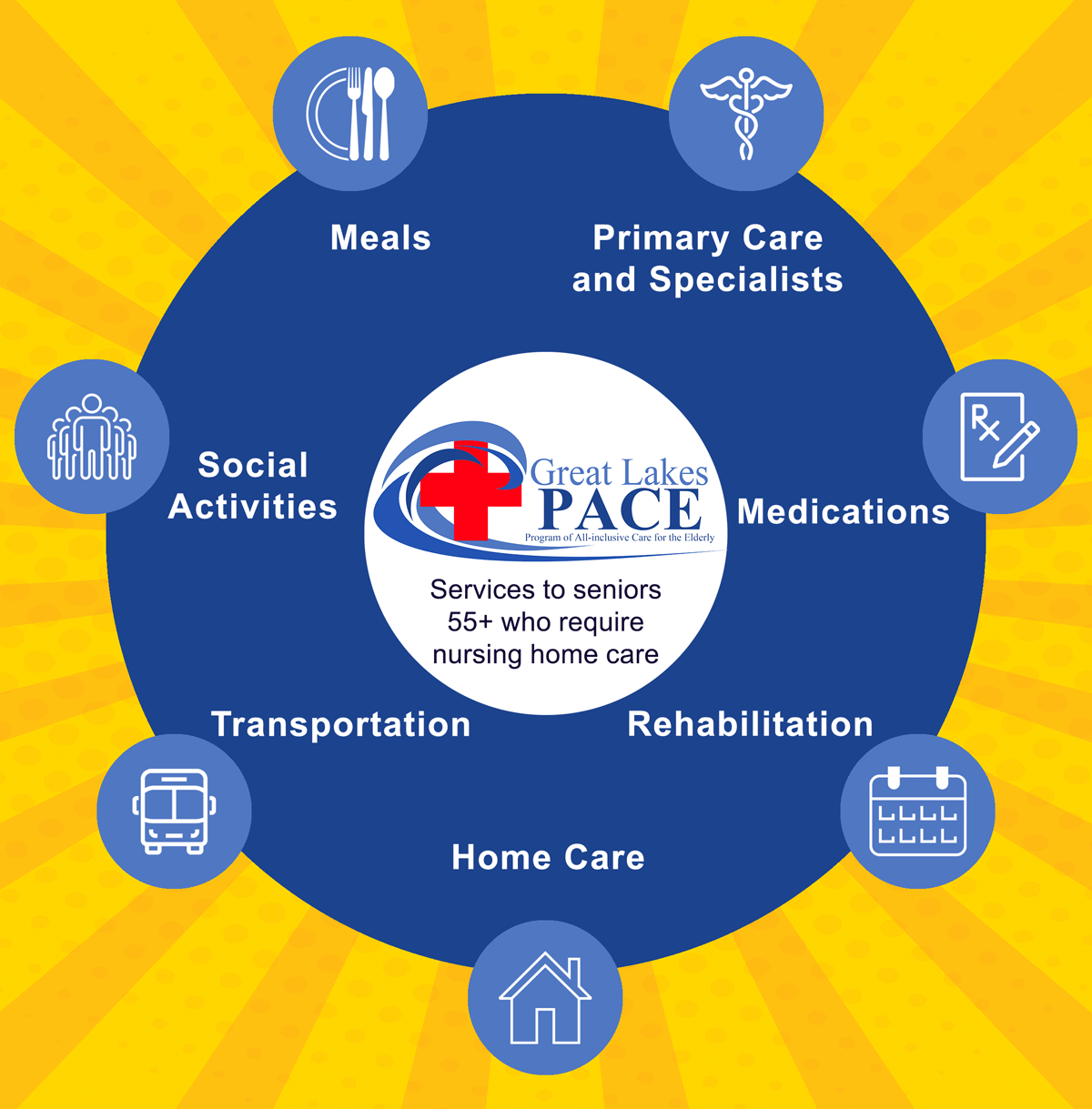
Great Lakes PACE brings medical care and support services together under one care team. That means the people looking at your loved one’s medications are also looking at their overall health, mobility, and daily life.
Support may include regular medication review, pharmacy services, medication coordination between providers, help with taking medications, education for participants and families. Because the same team knows your loved one’s history, they can notice changes and adjust the plan.
You can read more about how PACE supports families on our Family Caregiver Support page and about reducing fall risk on our Fall Risk Prevention page.
Medication Management Support in Shiawassee, Midland, Tuscola, Bay, and Saginaw Counties
Great Lakes PACE serves seniors across Mid-Michigan. If your loved one lives in one of these areas, our enrollment team can confirm whether they live in a PACE service area and explain what support is available. Service Area Zip Code Directory
Frequently Asked Questions About Medication Management
Are prescription medications covered for PACE participants?
Yes.
Does my parent have to switch pharmacies?
???
Who reviews my parent’s medications, and how often?
???
Can I be part of conversations about my parent’s medications?
Family involvement is encouraged, with the participant’s participation and consent.
How do I get started?
Call our enrollment team to ask questions and check eligibility.