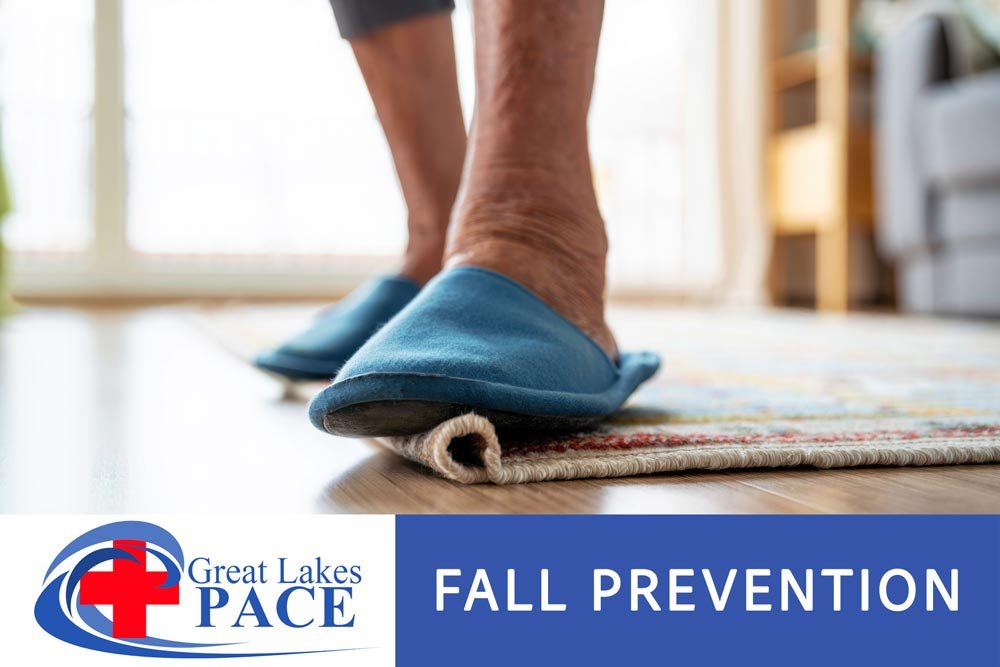
Why Fall Prevention Matters for Seniors
A fall can change everything for an older adult. Even a minor fall can lead to injury, a loss of confidence, and a fear of moving around which can make daily life smaller and riskier. Falls are a leading cause of injury among older adults and about one in four adults 65 and older falls each year.
The good news is that many falls can be prevented. If you are searching for how to prevent falls in elderly parents, a few smart steps at home and a team that watches for risk can make a real difference.
Common Fall Risk Factors in Older Adults
Falls rarely have one cause. Common fall risk factors in older adults include:
- Muscle weakness and poor balance
- Vision or hearing changes
- Medications that cause dizziness or drowsiness
- Chronic health conditions, including arthritis, diabetes, and heart conditions
- Memory changes or confusion
- Unsafe footwear
- Hazards at home, such as clutter, loose rugs, poor lighting, and stairs
- A previous fall
Because so many factors overlap, a full look at the person’s health, medications, and home environment matters more than any single fix.
Warning Signs Your Loved One May Be at Risk of Falling
You may notice changes before a fall happens. Watch for:
- Holding onto walls or furniture while walking
- Shuffling or taking shorter steps
- Difficulty getting up from a chair
- Unsteadiness, dizziness, or near-falls
- Bruises you cannot explain
- Avoiding stairs, outings, or activities out of fear of falling
- New medications or a recent illness or hospital stay
If you notice several of these, bring them up with your loved one’s care team. Catching the signs early gives you more options.
How Great Lakes PACE Supports Fall Risk Prevention
Great Lakes PACE brings medical care and support services together under one care team. That team can look at the full picture of fall risk, including health conditions, medications, mobility, and the home environment.
Support may include fall risk assessments, physical and occupational therapy, mobility equipment, home safety evaluations, medication review. Because the same team knows your loved one’s history, they can notice changes over time and adjust the plan.
You can also read about how PACE supports families on our Family Caregiver Support page.
What to Do After a Fall
If your loved one falls, stay calm and check how they are doing before moving them.
- Call 911 if they are badly hurt, cannot get up, are confused, or have hit their head. Be especially careful if they take blood thinners, since a head injury can be serious even if they seem fine.
- Do not rush them to stand. If they seem unhurt, help them rest, then get up slowly.
- Tell their care team about the fall even if it seems minor, so the cause can be looked into.
- Write down what happened: where, when, and what they were doing, which helps identify patterns.
A fall is often a sign that something has changed. Reporting it early is one of the best ways to prevent the next one.
Fall Prevention Support in Midland, Shiawassee, Bay, Tuscola, and Saginaw Counties
Great Lakes PACE serves seniors across Mid-Michigan. If your loved one lives in one of these counties, our enrollment team can confirm whether they live in a PACE service area and explain what support is available. Service Area Zip Code Directory
Frequently Asked Questions About Fall Prevention
Are physical therapy and mobility equipment included for PACE participants?
Yes.
What if my parent is afraid of falling?
Fear of falling is common and can lead people to move less, which can raise risk. The care team can talk through concerns and work at the participant’s pace.
How often is fall risk reassessed?
Can the team help with changes to our home?
Yes.
How do I get started?
Call our enrollment team to ask questions and check eligibility.