
If your loved one became too ill to speak for themselves tomorrow, would you know what they wanted? Many families don’t, and that uncertainty is hard on everyone. An advance directive answers those questions ahead of time, so your loved one’s voice is heard even when they can’t speak.
This guide explains the basics for Michigan families. It is general information, not legal or medical advice.
What Is an Advance Directive?
An advance directive is a legal document that records a person’s wishes for medical care and names someone to speak for them if they can no longer make decisions. In Michigan, you may also hear it called a patient advocate designation or a durable power of attorney for health care. The person named to make decisions is called the patient advocate.
Why Planning Ahead Matters
Michigan doesn’t have a law that automatically gives family members the authority to make medical decisions for a loved one. Without an advance directive, doctors typically turn to family members for guidance. If relatives disagree, a court may have to appoint a guardian, which can be slow, costly, and painful for a family already in distress.
A completed advance directive can prevent that. It removes guesswork and protects your loved one’s wishes. It also spares you from making hard decisions alone.
What Is a Patient Advocate?
A patient advocate is the person your loved one trusts to make health care decisions for them. They only step in when doctors determine that your loved one can no longer make their own decisions. Michigan requires that an advance directive be signed in front of witnesses and that the person named as patient advocate accept the role.
If you are asked to be a patient advocate, ask your loved one what matters most to them, and what treatments they would or wouldn’t want. Your job is to speak for their wishes, not your own.
Other Documents to Know About
Two other documents matter for people who are seriously ill or frail:
- Do-Not-Resuscitate (DNR) order. Emergency medical personnel must attempt CPR when 911 is called unless a valid DNR order or MI-POST is in place. A Michigan out-of-hospital DNR order lets a person decline CPR outside a hospital.
- MI-POST (Michigan Physician Orders for Scope of Treatment). This is an optional medical order signed by the patient or their representative and a health care professional. It records choices about CPR and other treatments for people with advanced illness or frailty, and medical staff and emergency responders can follow it.
An advance directive and these orders serve different purposes, and they work best together. A health care provider can help you decide which are right for your loved one.
How to Get Started
- Talk first. Have an honest conversation about your loved one’s wishes. Our guide on how to talk with your parent about their end of life wishes can help.
- Choose a patient advocate, and a backup in case the first person can’t serve.
- Complete the forms. A social worker, health care provider, or attorney can help you find the right documents and fill them out correctly.
- Share copies. Give copies to the patient advocate, family members, and your loved one’s doctors and care team, and keep the original somewhere easy to find.
- Review regularly. Wishes change. Revisit the documents after a major health change or whenever your loved one wants to update them.
Take Care of Yourself, Too
Planning for the end of life can be emotional. You may feel sadness, worry, or relief once it is done, and all of these feelings are normal. Give yourself time, and reach out to a friend, counselor, or support group if you need it.
Support From Great Lakes PACE
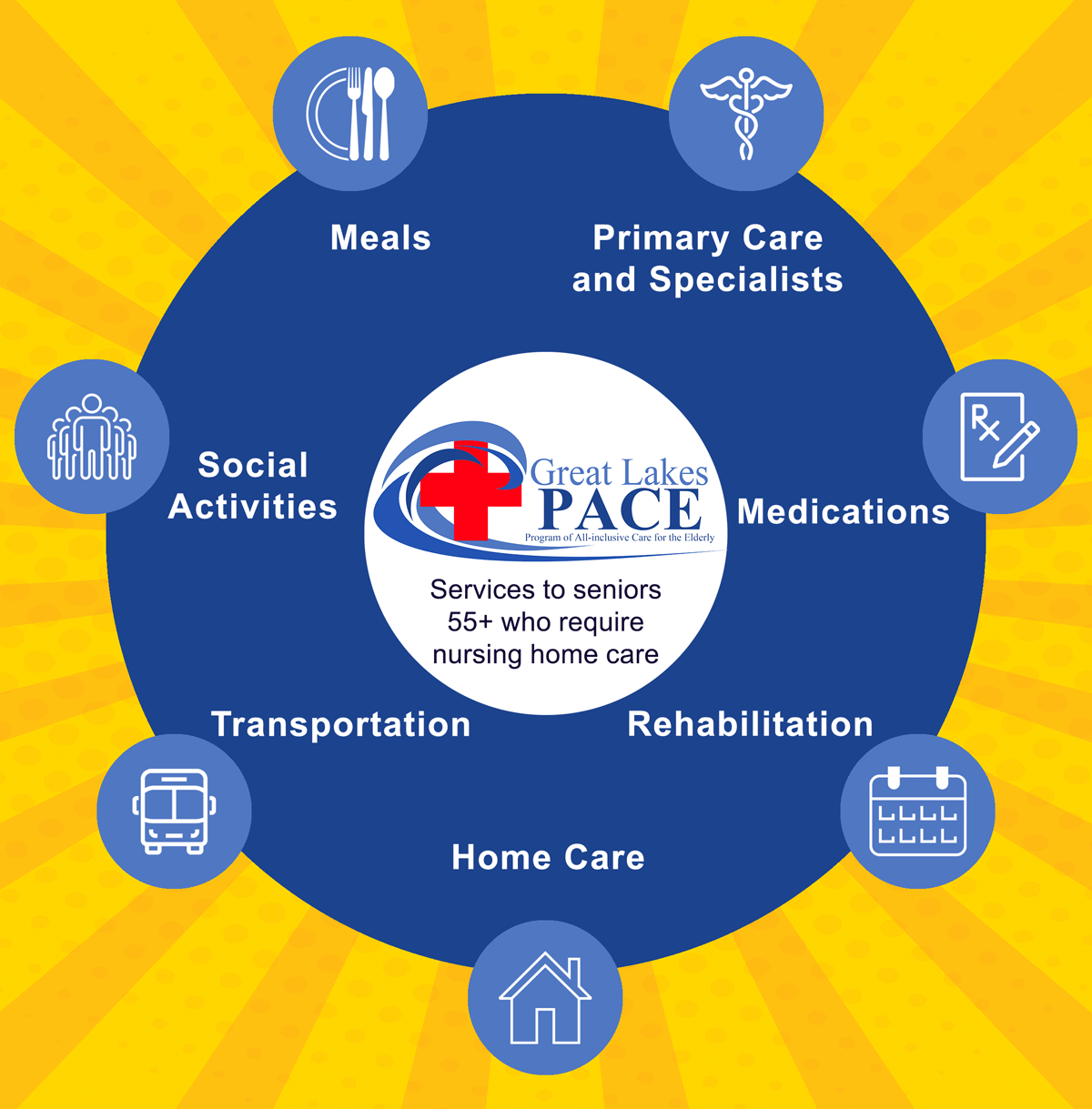
Great Lakes PACE care teams work with participants and families to understand their wishes and reflect them in the care plan. To learn more about how we support families, visit our end of life care page.